This webpage is for educational information only. Learn More
Authentic Dezawa MUSE Cells in Venice, FL
Johnson Medical Center is an officially authorized provider of genuine Dezawa MuseCells®.
If you have been living with joint, spine, or musculoskeletal pain, you already know the usual script: rest, medication, injections that fade, conversation about surgery, or dealing with your pain after surgery. Dezawa MUSE cells were developed for a different conversation — one about repair.
Discovered in 2010 by Dr. Mari Dezawa at Tohoku University and described in the Proceedings of the National Academy of Sciences, these are naturally occurring, pluripotent-like adult cells. Isolated through a licensed method. Not invented in a slogan.
After more than fifteen years of laboratory work and human clinical investigation, authentic Dezawa MuseCells® are available at Johnson Medical Center for patients seeking advanced regenerative care for orthopedic injury, joint degeneration, and chronic musculoskeletal pain.
Request an Appointment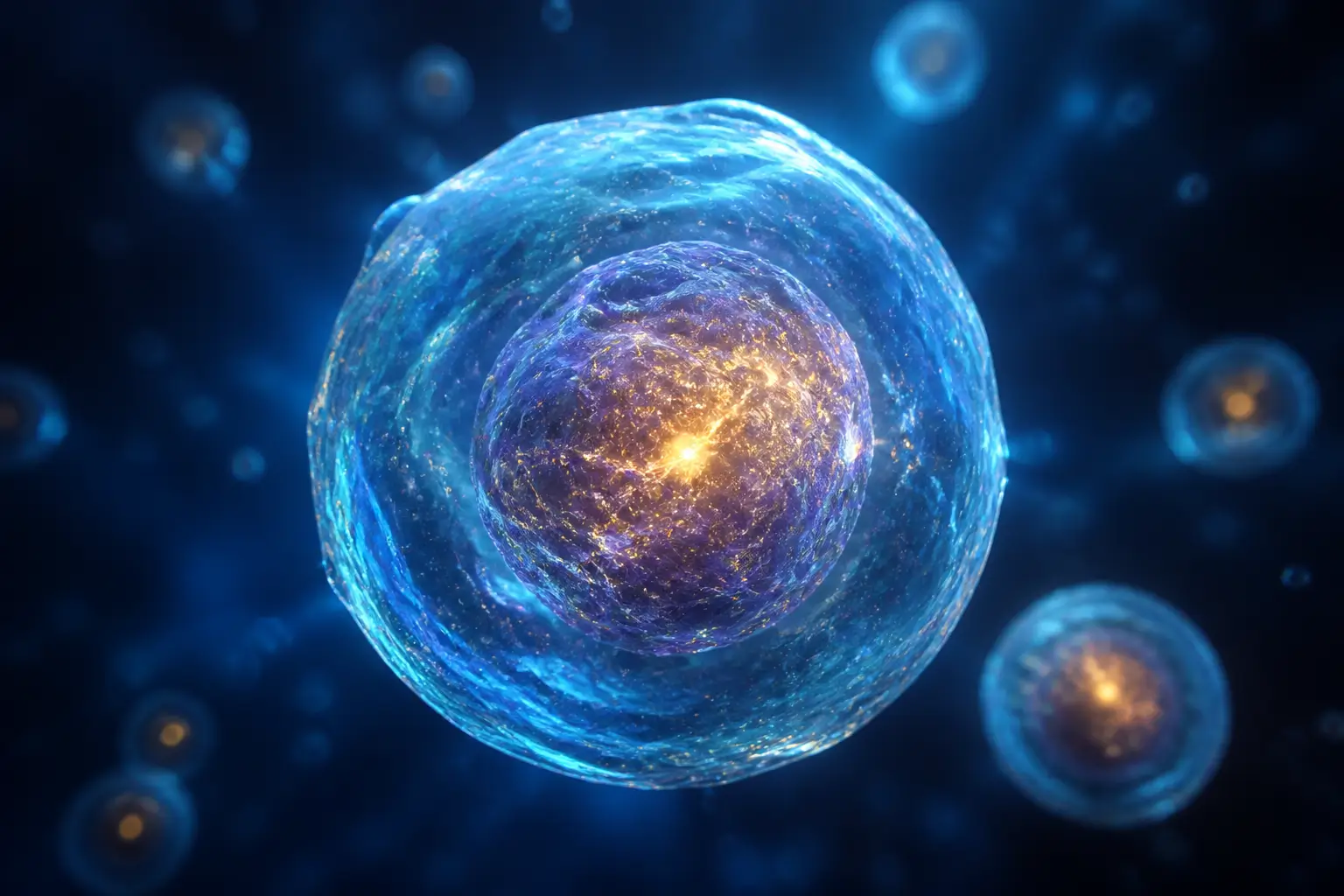
The Problem With Most Cell Therapy — and Why This One Is Different
Most regenerative cells never reach the place that hurts.
When conventional mesenchymal cells (MSCs) are given by vein, a large share become trapped in the lungs. Published comparisons put their delivery to injured tissue at under 1%. That is why so many “stem cell” IVs sound better than they perform.
Dezawa MUSE cells were characterized as a response to that failure.
Damaged tissue releases a distress signal called sphingosine-1-phosphate, or S1P. MUSE cells carry S1PR2 receptors that read that signal. In published injury models, they move past the lung trap and accumulate at the site of damage.
In a landmark study, roughly 15% of intravenously delivered MUSE cells homed to injured tissue — versus essentially none of the conventional cells in the same experiment.
That homing biology is why two delivery methods exist, and why the right one depends on the patient — not on a one-size protocol.

What We Treat Here
Johnson Medical Center uses genuine Dezawa MuseCells® to support patients with:
- Knee, hip, and shoulder arthritis and joint wear
- Degenerative disc disease and chronic back or neck pain
- Rotator cuff, tendon, and ligament injury
- Sports and overuse injuries that have stalled
- Joint and spine pain where all other therapies and surgeries have failed
The goal is straightforward: reduce pain, support tissue repair, improve function, and help you return to the activities that made you book the appointment.
Direct Injection or IV: We Choose the Route That Fits the Injury
There is no single correct way to deliver these cells. There is a correct way for your presentation.
Targeted Injection
Targeted injection is often the first choice when the problem has a clear address — one knee, one hip, one shoulder, or a painful disc. Placing cells at the site concentrates the dose where imaging and examination say the damage is.
Intravenous (IV) Delivery
Intravenous delivery is how the published human trials were run, and it is how the homing mechanism is designed to work. Once in the bloodstream, MUSE cells circulate and follow S1P signals toward tissue that is inflamed or injured.
For patients with more than one painful joint, widespread musculoskeletal inflammation, or damage that is not confined to a single location or condition, IV can be the more complete route because the cells go where the body is signaling distress, not only where a needle can reach.
Many patients are best served by one route. Some are better served by a plan that uses both. That decision is made after examination, imaging when needed, and a conversation about what you actually want to get back to.
We do not pick IV or injection from a menu. We pick the delivery that gives the cells the best chance to reach the problems you are experiencing.

What Makes Dezawa MUSE Cells Different
MUSE stands for Multilineage-differentiating Stress-Enduring. The name is a lab result, not a brand exercise.
They Are Naturally Occurring
Found in bone marrow, blood, and connective tissue. Identified by the SSEA-3 marker. Isolated — not genetically reprogrammed.
They Are Pluripotent-Like
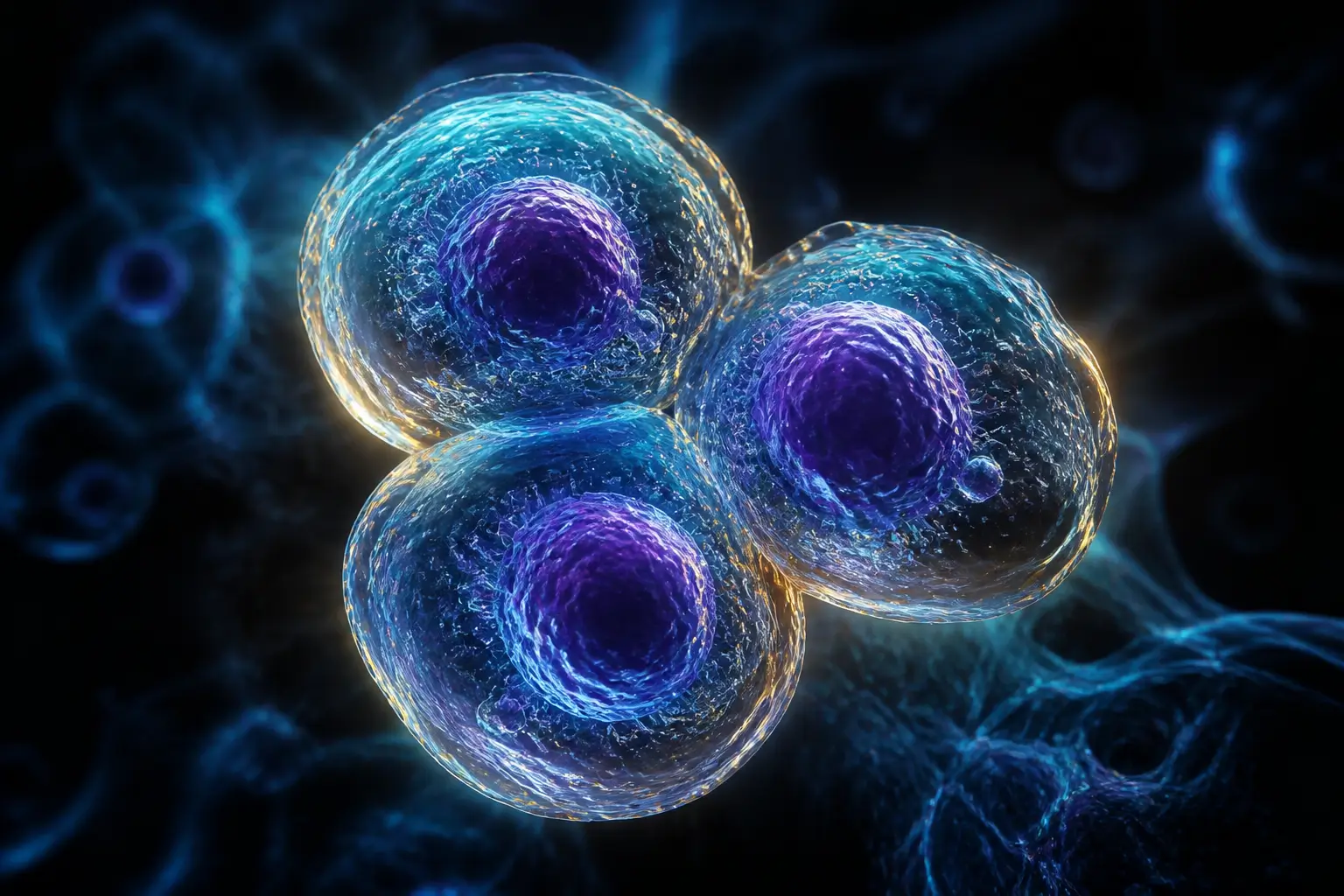
In published research they can differentiate into the cell types a damaged tissue needs — repair by replacement.
They Survive the Environment They Are Sent Into
Inflamed, low-oxygen, injured tissue destroys many cultured cells. MUSE cells were selected because they endure that stress.
They Are Immune-Privileged
Donor cells have been given in published trials without HLA matching and without long-term immunosuppression. The body doesn’t defend against them; it welcomes the MUSE cells.
They Have a Quiet Safety Record in the Literature
Unlike embryonic or iPS cells, MUSE cells are described as non-tumorigenic. Teratoma formation has not been reported in the published work to date. In other words, there has been no evidence of them aiding or causing cancer.
They Are Adult and Ethically Sourced
Not embryonic. Not fetal.

Genuine Dezawa Cells — or Just the Word “MUSE”
Success created imitators. The word “MUSE” now appears on products that were never isolated under Dr. Dezawa’s licensed method and do not carry a Certificate of Analysis from the authorized manufacturing ecosystem.
Authentic Dezawa MuseCells® come from one science, one licensed method, and one verified chain of custody. MuseCell Innovations® is the exclusive global licensor.
Johnson Medical Center is listed as an authorized healthcare center. Every lot used here is the genuine product — not a generic cell wearing the name.
Ask for the Certificate of Analysis. We expect the question.
What the Science Is Also Investigating
The orthopedic work is why most patients come to Venice. The wider research is why this cell type drew global attention.
Human clinical trials in Japan have evaluated intravenous MUSE-cell products in conditions far beyond the joint: recovery after ischemic stroke, heart-muscle repair after heart attack, cervical spinal cord injury, ALS, newborn brain injury, and a rare genetic blistering disease of the skin.
Those studies are early phase. Patient numbers are still modest. They have generally shown the cells to be well tolerated, with no reported tumor formation and no requirement for immune-matching or immunosuppressant drugs in those protocols. Some trials reported functional improvement. Larger studies are ongoing.
Animal and laboratory research has also explored cartilage defects, vascular injury, lung injury, wound healing, and inflammatory models.
That body of work is real, published, and unfinished. It is here so you can see the scientific horizon. Johnson Medical Center’s clinical focus remains orthopedic injury, musculoskeletal pain, and the delivery method most likely to help the patient in front of us.
Is This Right for You?
This conversation is worth having if you have joint, spine, or soft-tissue pain, you want a regenerative option, and you care that the product in the vial is the one described in the research.
It is not an emergency treatment. It is not a guarantee. Results vary. A careful clinic says that before the consent form, not after.
The first visit is an evaluation: history, examination, imaging when it adds something, and an honest recommendation — injection, IV, both, or not yet.
Johnson Medical Center
401 Johnson Lane, Suite 101
Venice, FL 34285
(941) 484-5333
Request a consultation and ask whether targeted injection, IV delivery, or a combined plan is the better fit for your injury.
Disclosures
Dezawa MuseCells® have not been approved by the U.S. Food and Drug Administration to diagnose, treat, prevent, or cure any disease. Within the United States, use of this therapy remains investigational.
In Florida, licensed physicians may administer certain stem-cell therapies that are not FDA-approved for orthopedic conditions, wound care, and pain management under CS/CS/SB 1768, subject to sourcing, viability, consent, and advertising requirements.
All procedures are elective. Individual results vary. Potential risks of injection or intravenous administration include infection, lack of benefit, and unforeseen reaction. These risks will be reviewed with you before any procedure. You should discuss this option with your primary care physician.
Research summaries on this page describe published preclinical studies and early-phase human trials conducted primarily in Japan. Those findings are educational. They do not mean Johnson Medical Center directly treats stroke, heart attack, spinal cord injury, ALS, or other non-orthopedic diseases with this therapy.
Johnson Medical Center only administers authentic Dezawa MuseCells® as an authorized provider. Authenticity refers to product identity and chain of custody through the licensed MuseCell Innovations® ecosystem. It is not a claim of FDA approval or of a specific clinical outcome.
The content on this page is for informational purposes. It is not medical advice and does not create a doctor-patient relationship.
Johnson Medical Center is fully committed to complying with all Florida state and FDA regulations. Our MSC therapies are offered under approved protocols to ensure patient safety and regulatory adherence.
This webpage is for educational information only and is referencing the information located on the Dezawa MUSE Cell Innovations website and/or other websites containing research studies or articles. This page does not offer MUSE cell therapy for any condition outside orthopedics, wound care, or pain management. MUSE cell therapy is not FDA-approved for any use.
THIS NOTICE MUST BE PROVIDED TO YOU UNDER FLORIDA LAW. This physician performs one or more stem cell therapies that have not yet been approved by the United States Food and Drug Administration. You are encouraged to consult with your primary care provider before undergoing any stem cell therapy.